

February 9, 2026
News
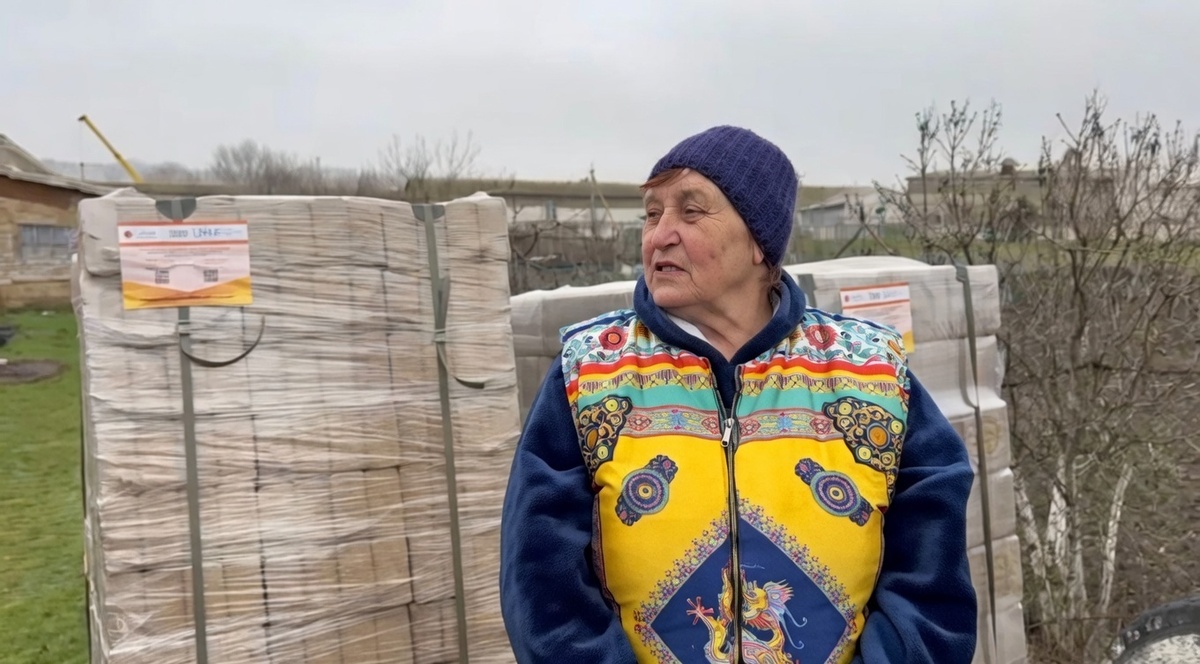
Winter during wartime is a dangerous trial for the front-line communities. Much of the infrastructure here is damaged. Electricity is almost non-existent, and homes can only be heated with firewood. Zoya Mykolayivna lives in a village 30 km from the combat zone in Dnipropetrovsk region. It is extremely difficult for a lonely pensioner to survive the cold. We do not leave such people alone in their hardship and deliver solid fuel and winter kits so that they can feel warmth and care again.
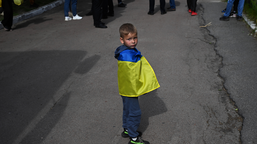
Children at war, and no help
This winter, together with our partner organisation Egida-Centre, we are providing solid fuel to 740 vulnerable households in the Nikopol district near the front line in the Dnipropetrovsk region. There are many internally displaced families, elderly people living alone and people with disabilities here. The local population suffers from daily shelling and has almost no mobile communication or electricity.
The home of pensioner Zoya Mykolaivna is heated by an old wood-burning stove. Her children are currently at war.
I thought I could take care of myself, but I am no longer strong enough. Now my children are at war. Thank you so much for keeping me warm all winter!
says Zoya Mykolaivna gratefully.
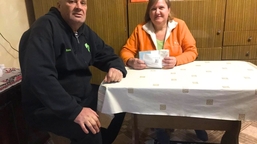
Her neighbour, Igor, is a father of three children. Although the family's house is small, it is extremely difficult to keep warm during the cold season. There are no jobs in the village, which means there is no money to buy enough solid fuel.
“We are a large family, and our house is heated only by a stove, so your help with fuel briquettes is vital for us in winter,” explains Igor.
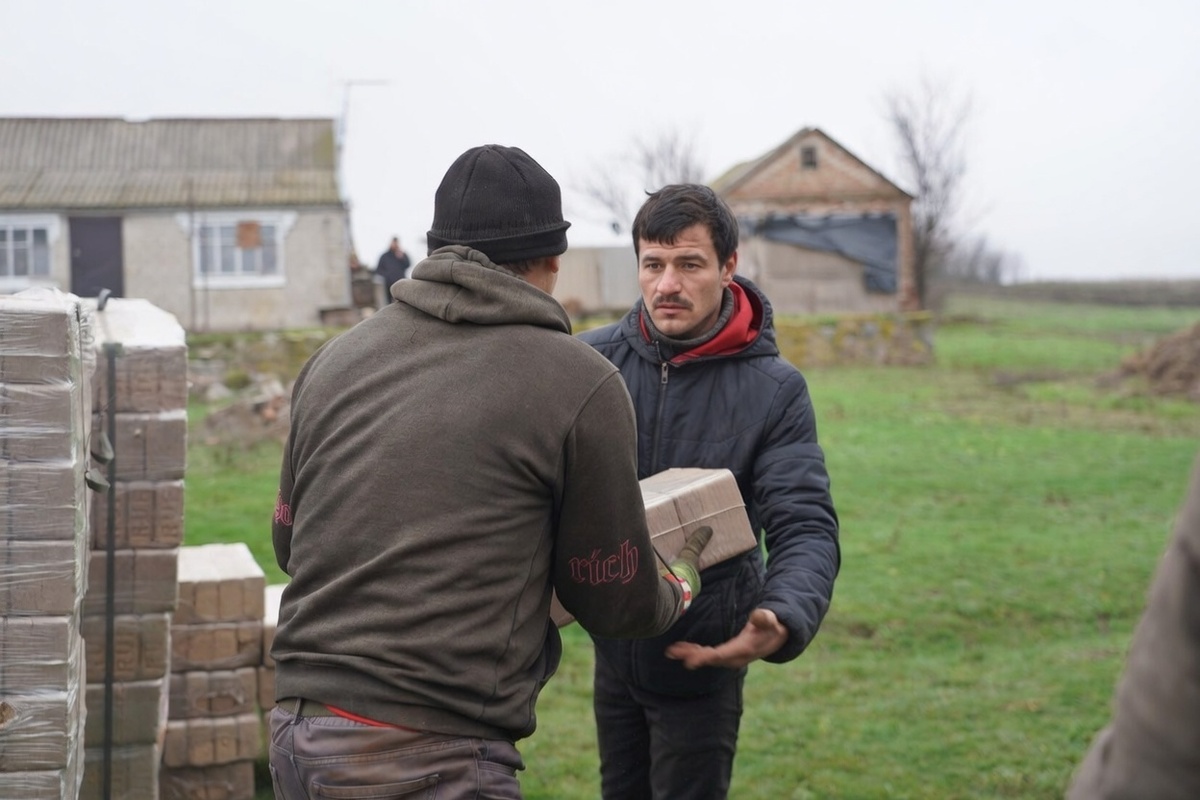
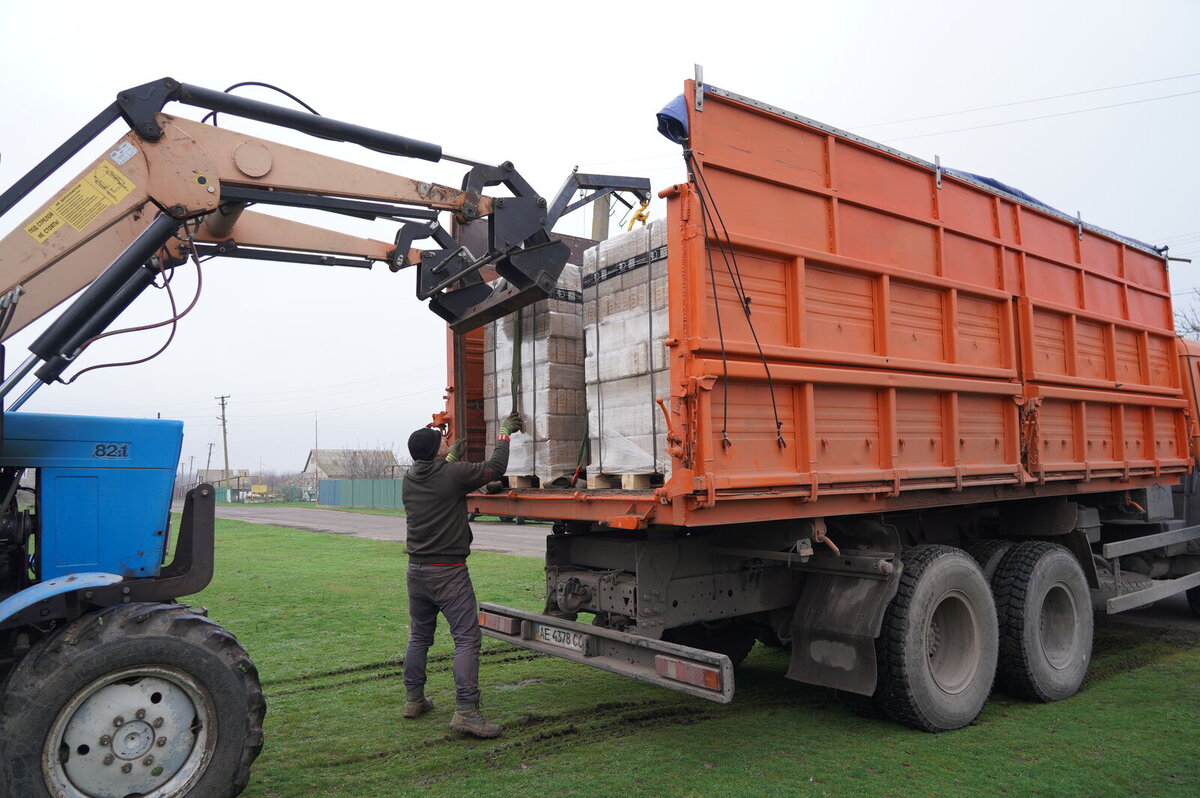
Our volunteers deliver 3.2 tonnes of fuel briquettes to each yard so that families can survive the severe frosts.
Lifesaving packages during blackouts and frosts
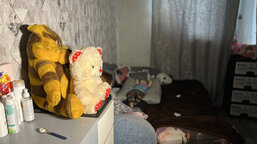
Olena's family was forced to flee Zaporizhzhia and move to a village. It was dangerous to stay here with two elderly parents and a child. The combat zone is less than 15 kilometres away, and the city is under constant and massive attack.
The family settled in an old rural house in the Nikopol district. There are no jobs in the village, and it is difficult for a large family to meet their basic needs.
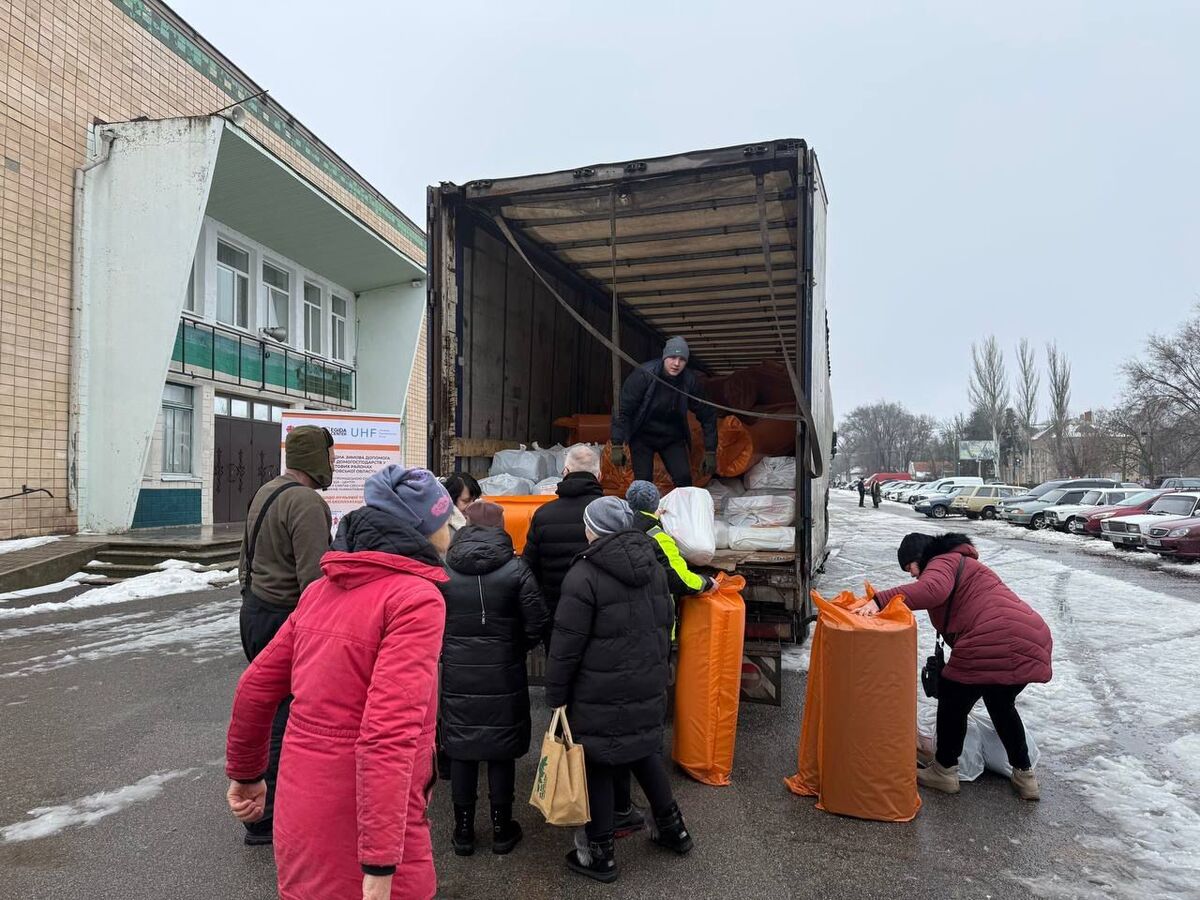
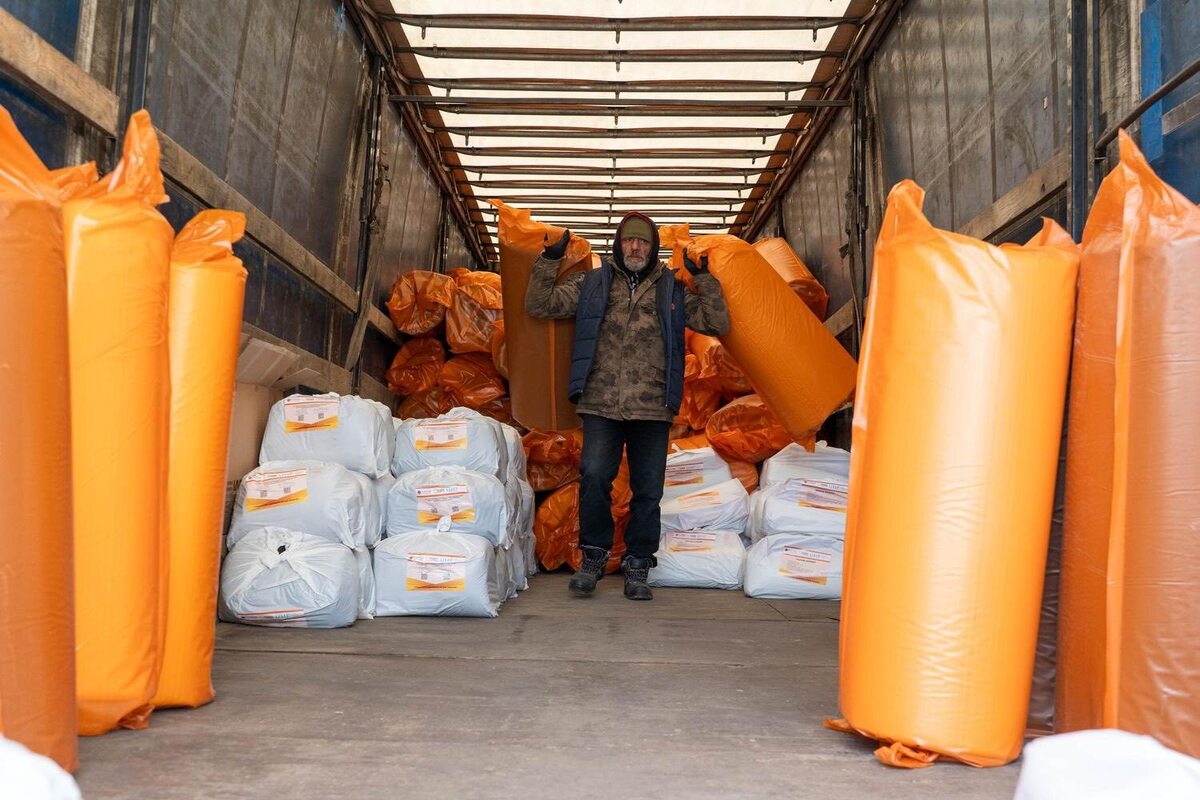
“We have electricity for four hours a day. Before that, we had almost none. My mother is constantly freezing,” says Olena.
Her family, along with 2,200 residents of the Nikopol and Kryvyi Rih districts, received essential kits as part of our winter aid programme. Each kit contains sleeping bags, thermal blankets, power banks, thermoses, flashlights, portable stoves with burners, and mattresses.
I want to thank your organisation for the vital support to my whole family. Everything is thought out with such care for people. When faith fades, you are like rays of sunshine!
says Olena gratefully.
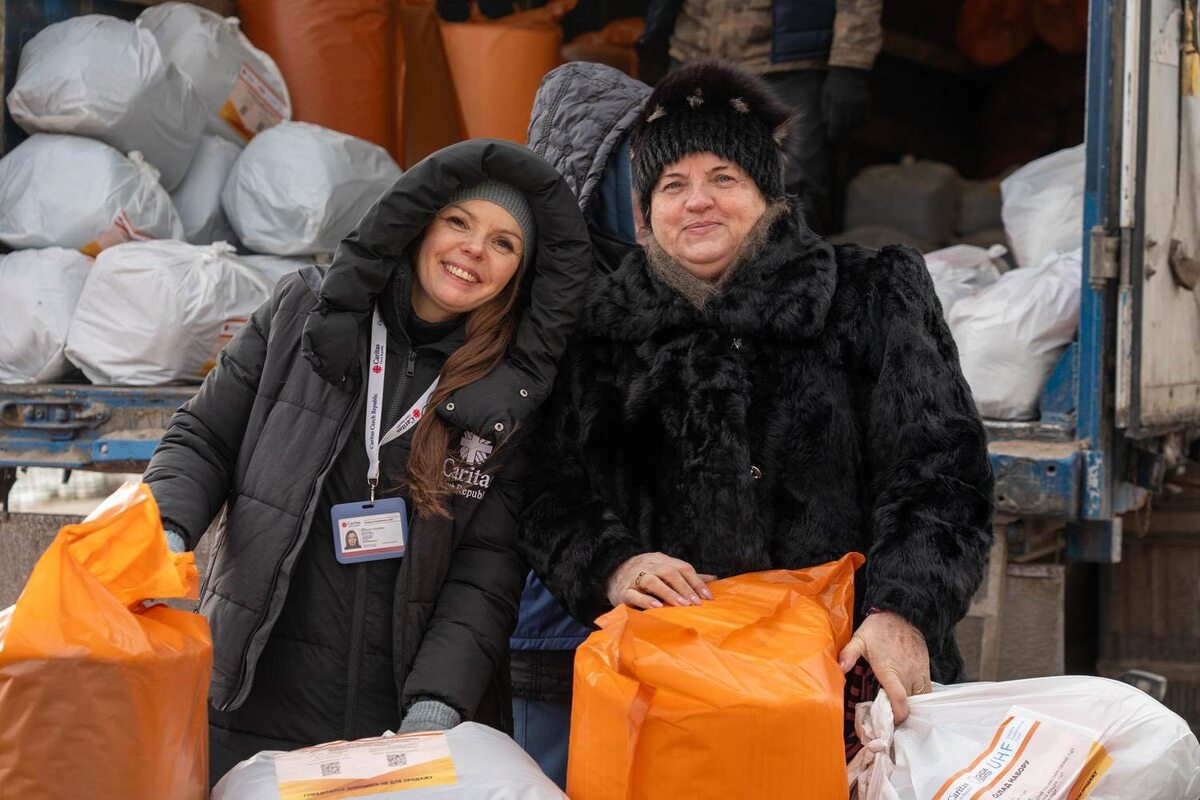
Caritas Czech Republic is implementing a project to provide life-saving assistance to vulnerable households in the frontline areas of Dnipropetrovsk region with the support of the Ukraine Humanitarian Fund and in cooperation with the non-governmental organisation ‘Egida - Centre’.
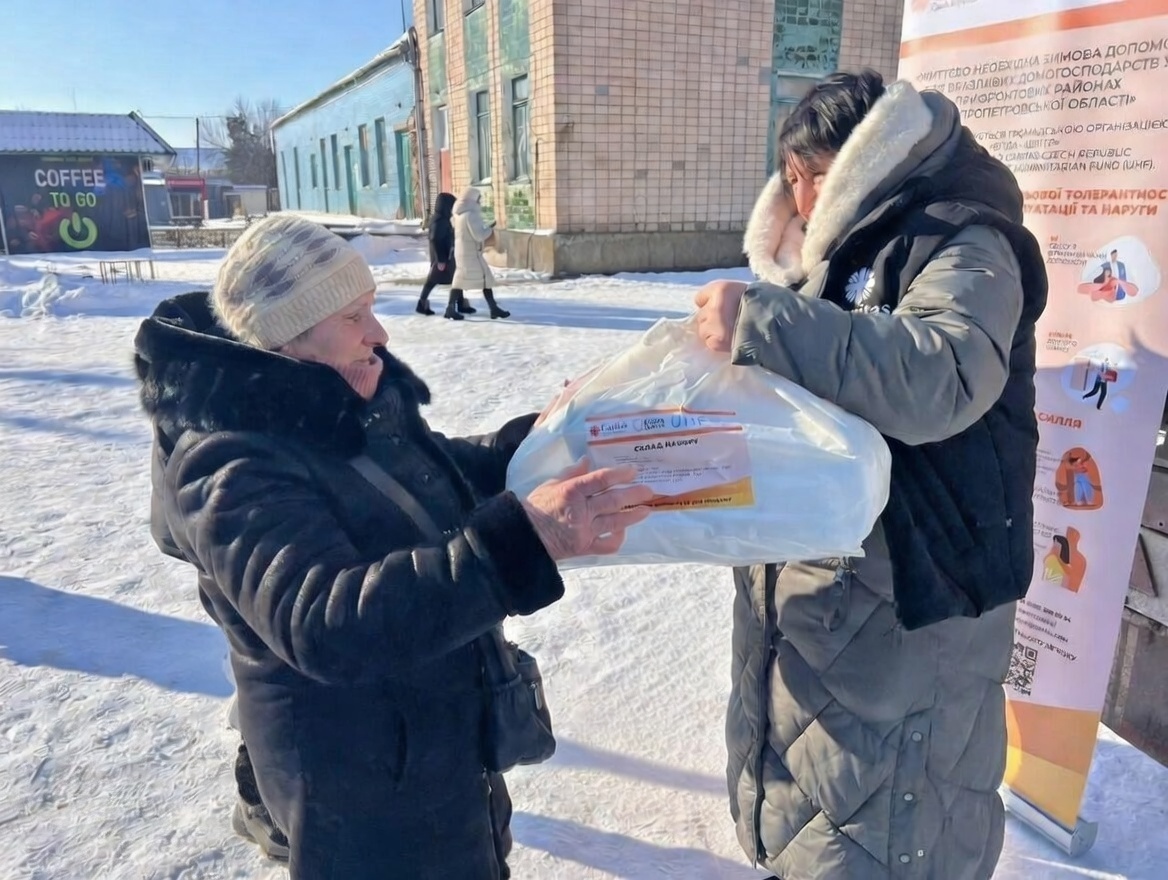
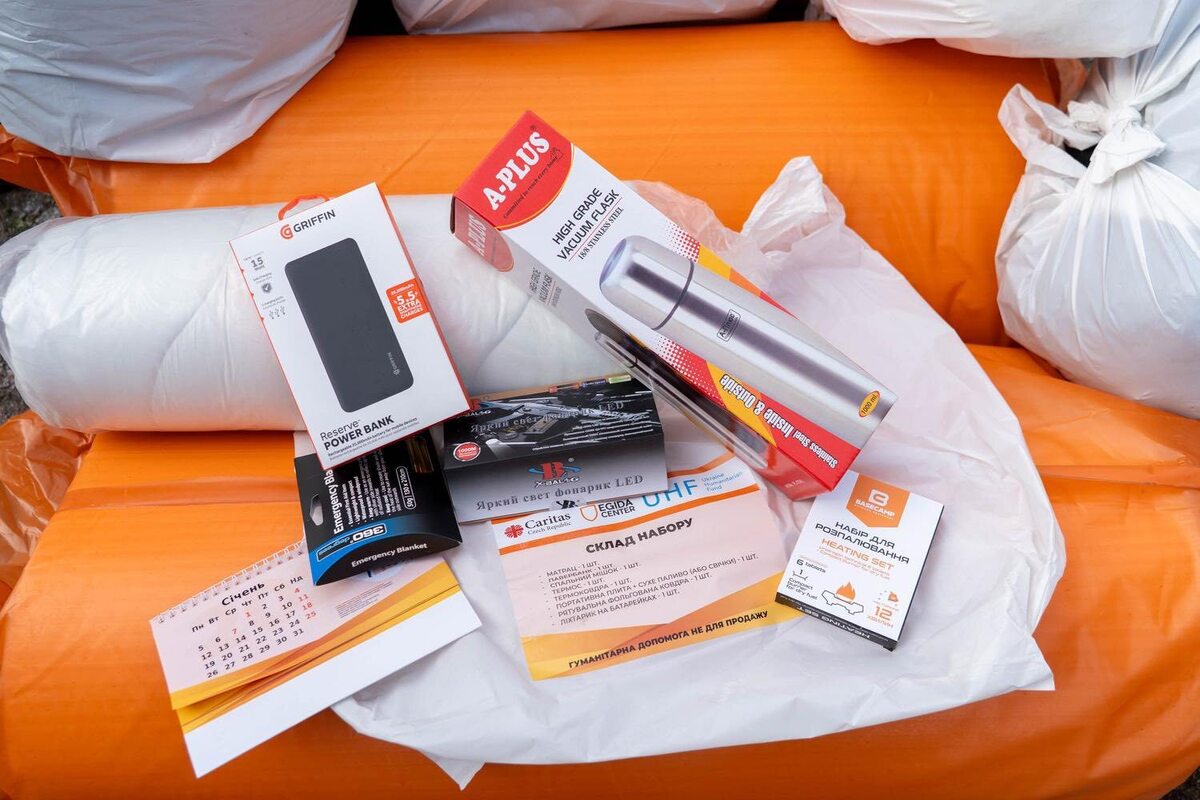
As part of this assistance, we have also insulated 50 houses of the most vulnerable families in the Kryvyi Rih district. In addition, we replaced windows damaged by shelling in a dormitory in Kryvyi Rih, which is now home to more than 120 evacuees.
Our activities in Ukraine
Caritas Czech Republic has been working in Ukraine for many years. Initially, our assistance focused primarily on social services, healthcare and education, but also on support for people affected by the conflict in eastern Ukraine.
Last year, we mainly focused on the health sector. Our team helped establish a network of mental health centres. We set up four mental health centres for children and adults in Transcarpathia, Lviv, Ivano-Frankivsk and Dnipropetrovsk regions. In addition, we helped renovate premises for the Resilience Centre in Truskavets, Lviv Oblast, and created the first psychological recovery room in Uzhhorod, Transcarpathia.
We have modernised and equipped six rehabilitation centres in the Dnipropetrovsk region. Thanks to Czech support, expertise, modern technologies, and training for healthcare staff, accessibility and quality of care have improved for people across the region. We have also established safe learning spaces, where we offer children extra tutoring and educational courses. We also help people during the winter months. We distribute briquettes, solid fuel, and life-saving winter kits.