

February 18, 2026
News

In the frontline city of Dnipro, a renovated Mental Health Centre has opened at the Regional Family Health Medical Centre. Its team helps children and parents reduce the effects of prolonged stress and build resilience during the war. Caritas Czech Republic renovated and furnished the premises to improve the comfort of patients and staff. Doctors say that the cosy atmosphere makes the Centre a hub of support and trust.
Children no longer feel like they are in a hospital
War ruthlessly traumatises children and adults. Separation from relatives and friends, loss of loved ones, chronic insomnia, and prolonged stress exhaust the psyche and undermine the mental well-being of families.
There is a significant increase in demand for psychiatric, psychotherapeutic, and psychological assistance. We help not only children but also families so that they can stand together and support each other in wartime,
says child psychiatrist Darja Yashkina.
A year ago, she joined the team at the Mental Health Centre based at the Regional Family Health Medical Centre in Dnipro. Such centres are part of the reform of Ukraine's mental health services to improve their quality and accessibility for all.
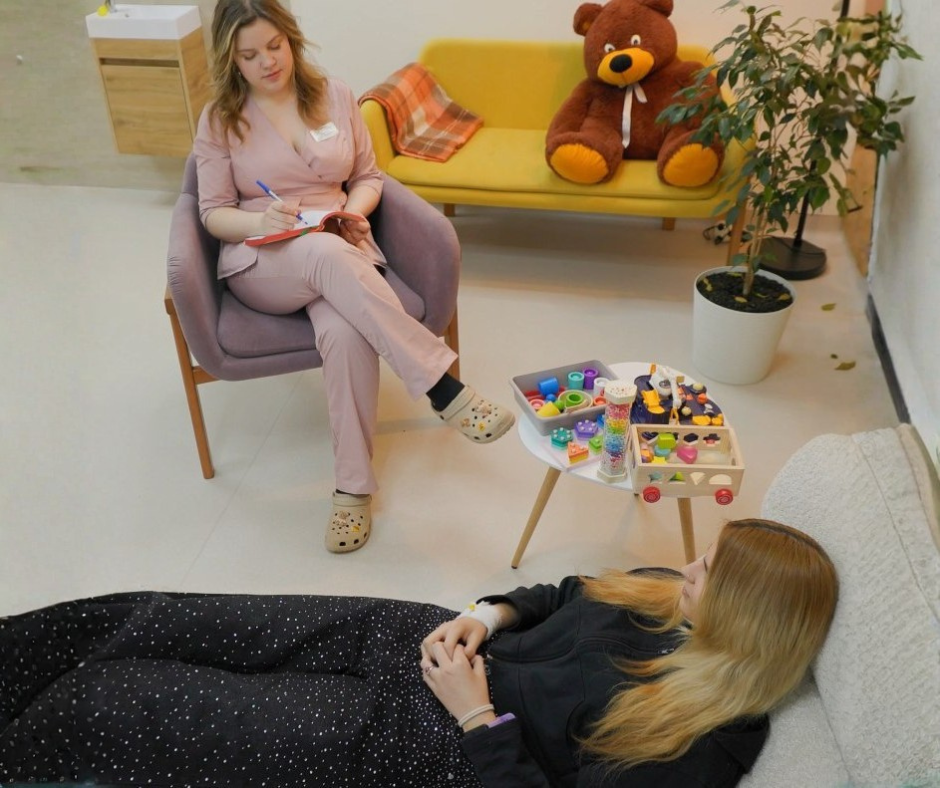
In January 2026, Darja headed a team at the newly renovated Centre. It got its own refurbished premises and good equipment. This was made possible through cooperation among the hospital administration, the authorities, and Caritas Czech Republic.
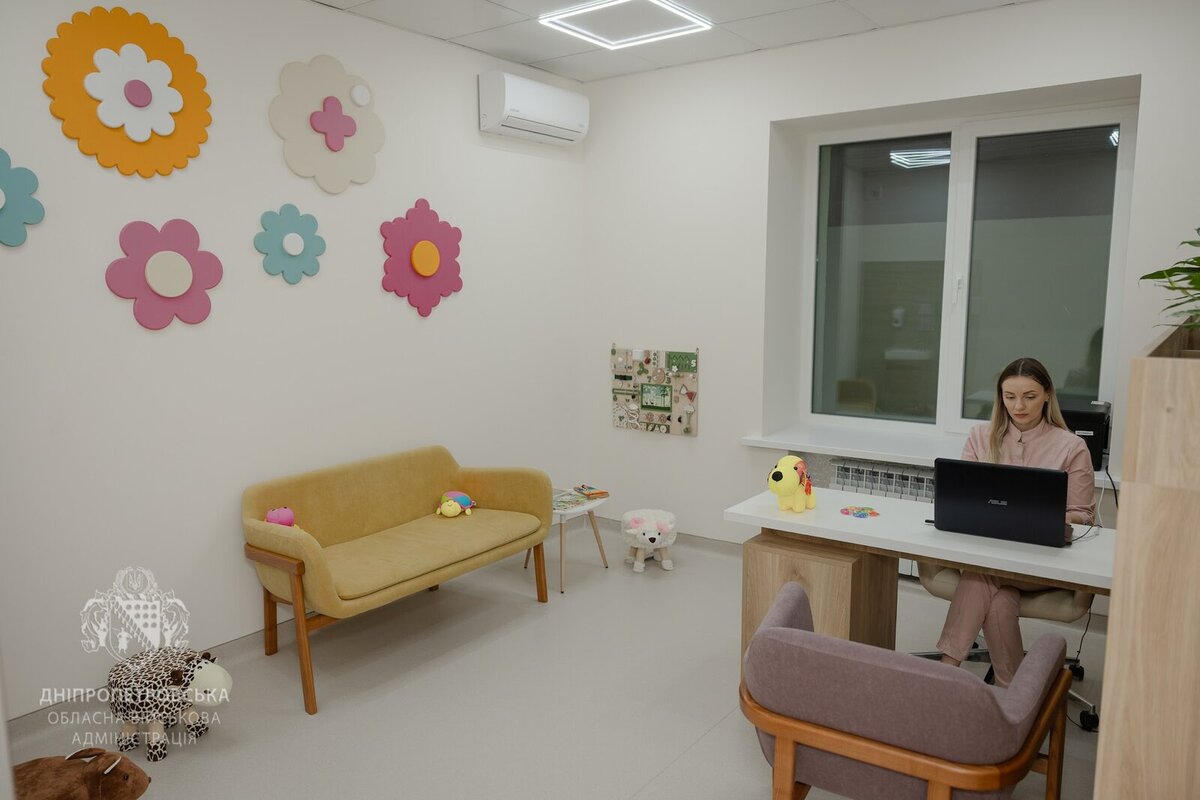
“We finally have a space that is convenient and comfortable for everyone. Thank you very much! I often hear from parents: ‘It’s so beautiful here.’ And this atmosphere affects treatment. It helps build trust, reduces stress and facilitates communication. Children don’t feel like they are in a hospital and are more willing to interact,” Darja shares.
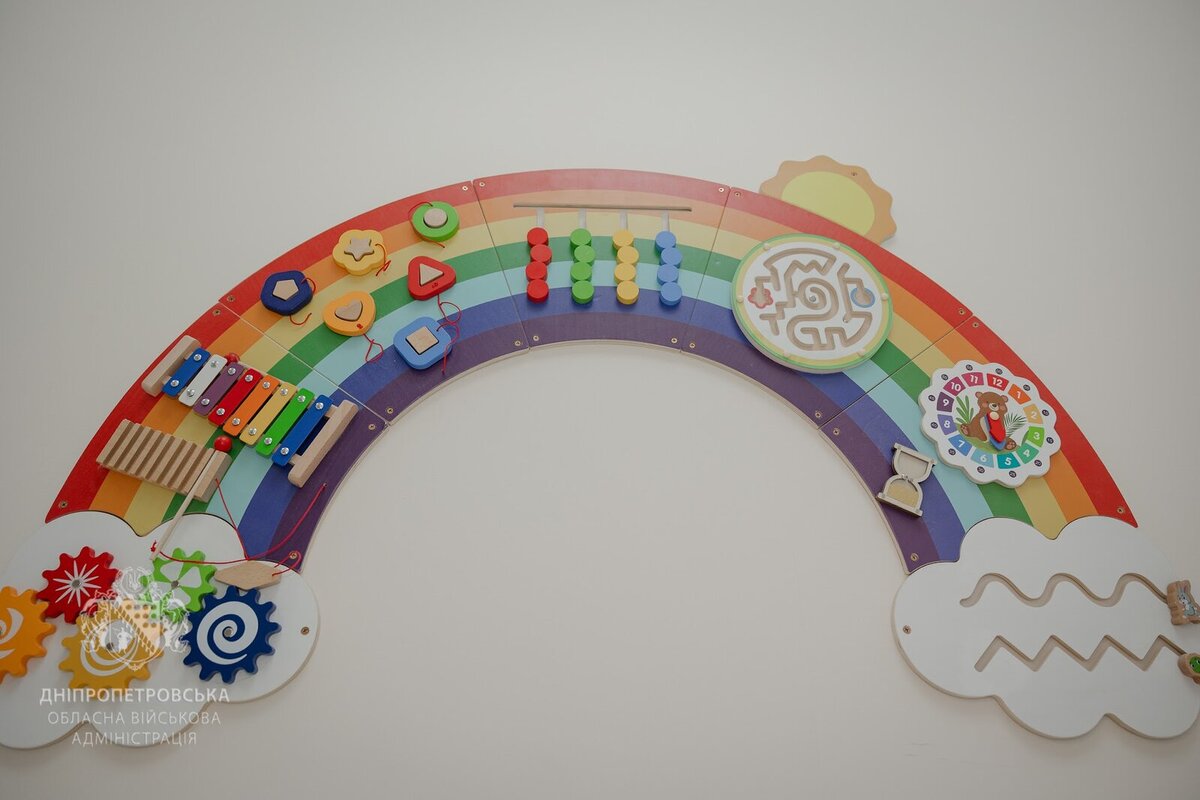
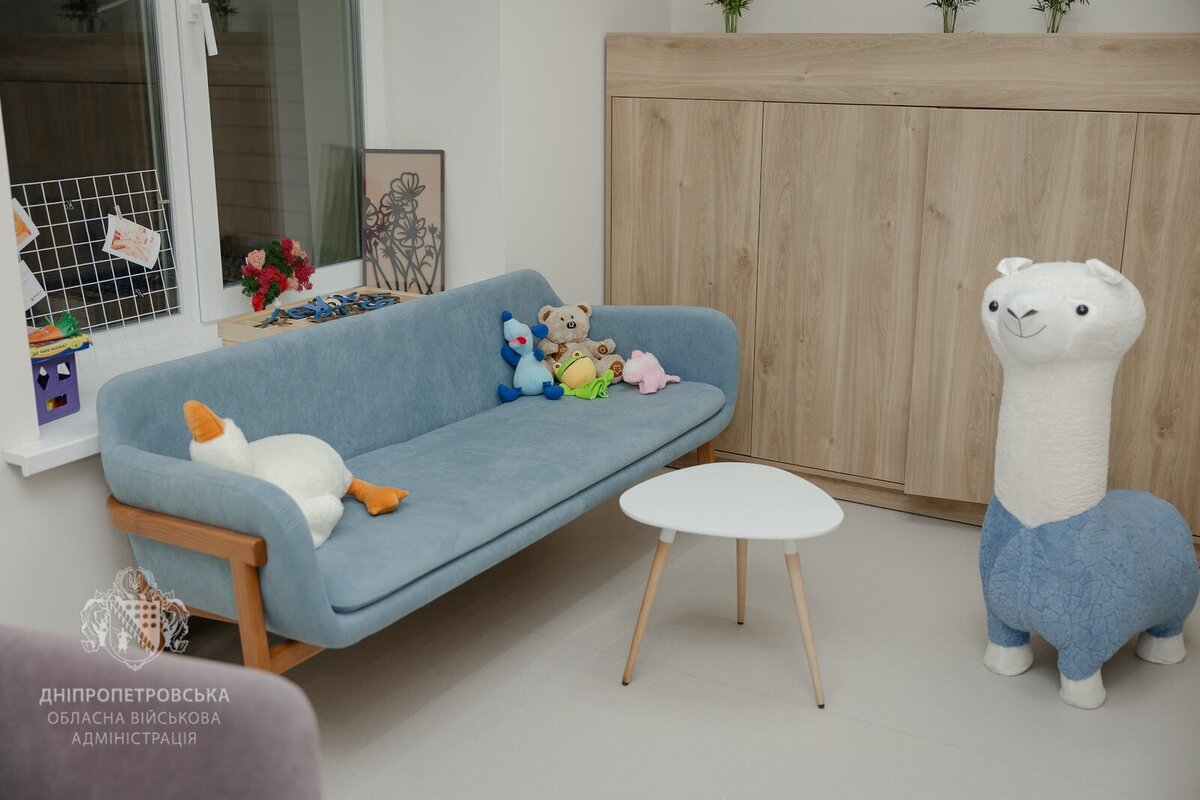
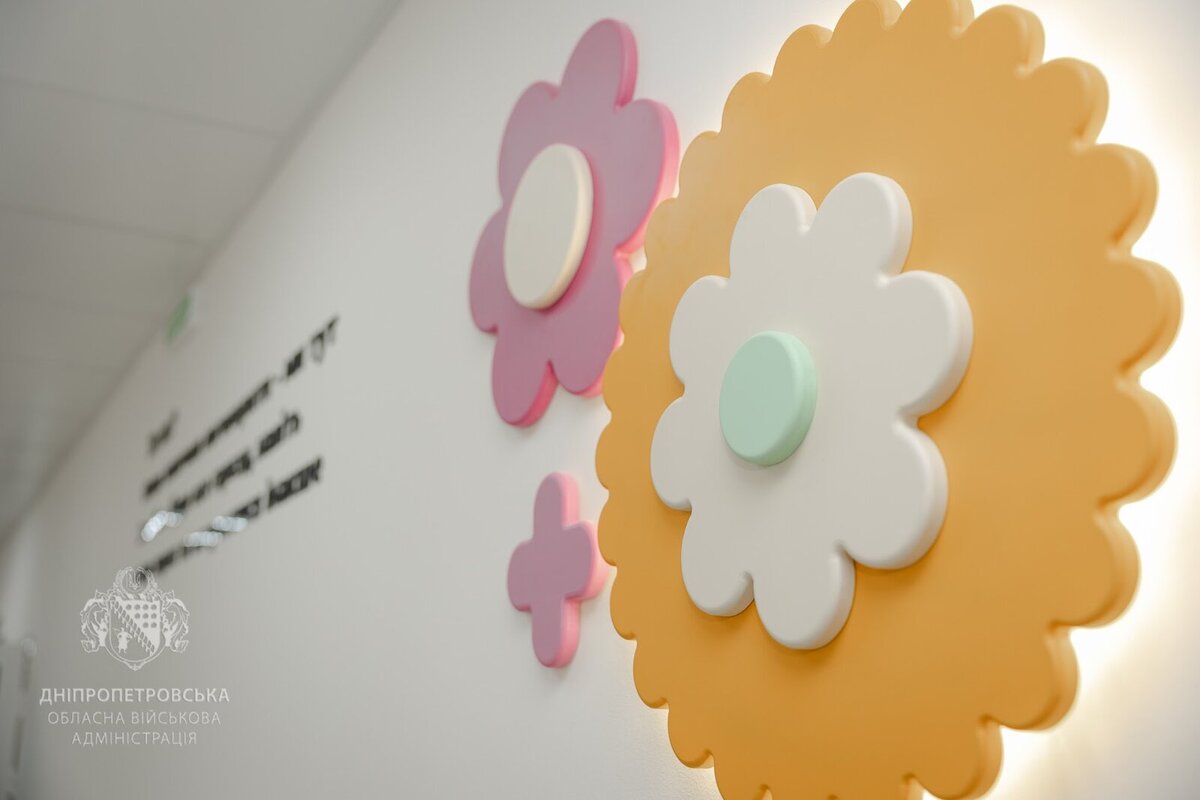
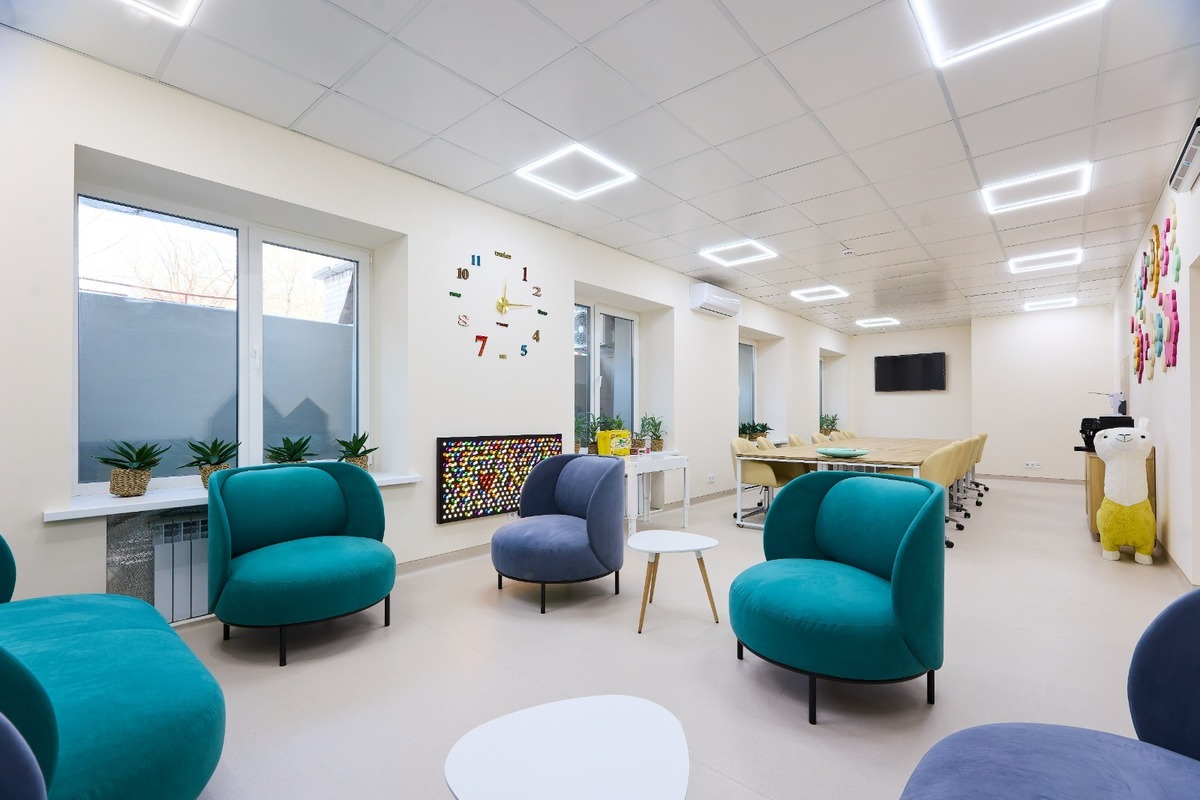
The Centre’s waiting area looks like an island of calm: soft poufs, toys, busy boards, and a soothing interior. Children, who are often afraid of ‘people in white coats,’ play calmly here and feel safe. The rooms are bright, spacious, and cosy. According to the director, the positive experience has led to a 30% increase in visitors.
Mental health care reaches remote communities
The Centre's team consists of 10 specialists. They are experienced psychiatrists, psychologists, psychotherapists, and nurses. All services are provided free of charge.
Most of the patients are teenagers aged 12–17 with anxiety and depressive disorders caused by the war. The second largest group is children aged 3–6 with neurodevelopmental disorders such as attention deficit hyperactivity disorder (ADHD), autism, and cognitive difficulties. In addition to individual consultations, group sessions are also held here.
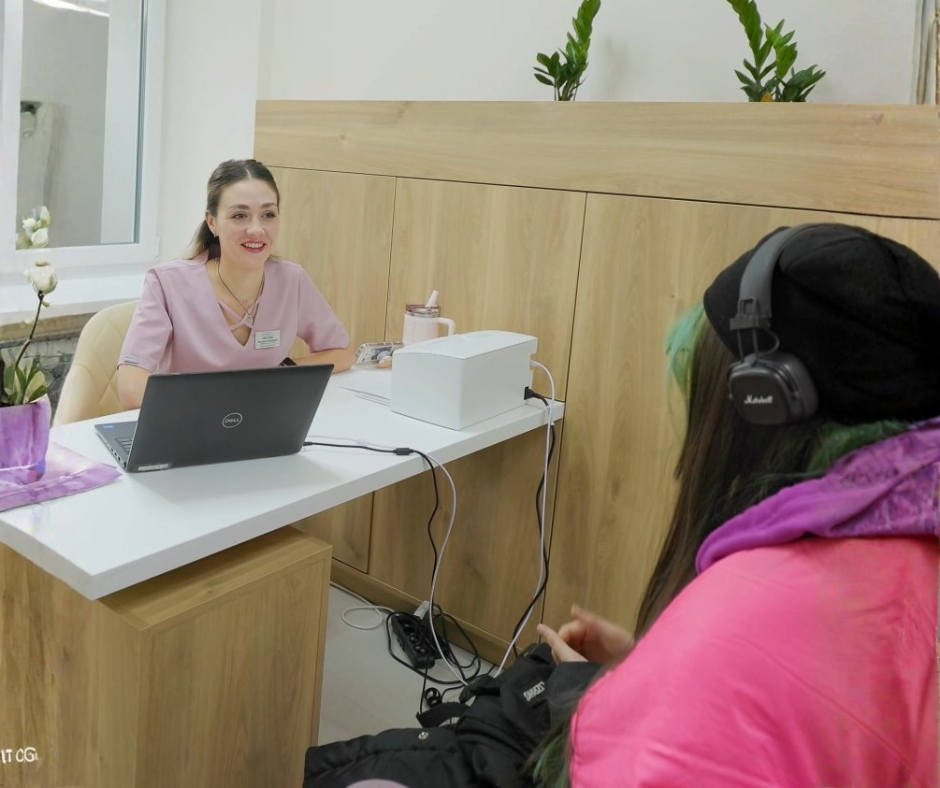
The Centre's mobile team travels to remote communities with limited access to mental health care. This allows large families and foster homes to receive expert support on-site, particularly for the adaptation of foster children.
Nothing can break us, believes the doctor
When talking about what inspires her in her work, Darja recalls a family of evacuees from a frontline village. This family with three children hid from shelling in a basement for a long time. When they finally managed to move a bit further away from the front, a shell killed the father right in the yard in front of the children. Together with their mother, they miraculously survived and fled to a safer place.
Despite their very traumatic experience, these children were able to find joy and interest in things again. This inspired me greatly. I thought: “Nothing can break us,
summarises Darja.
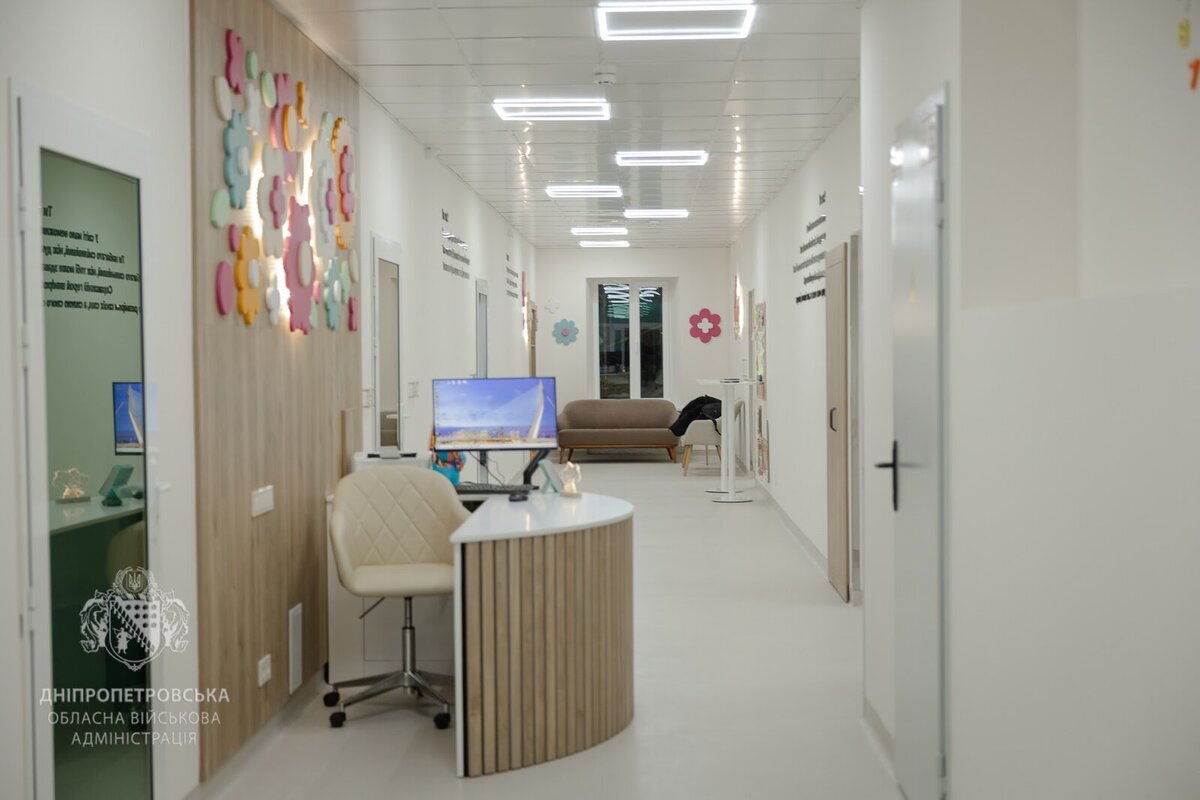
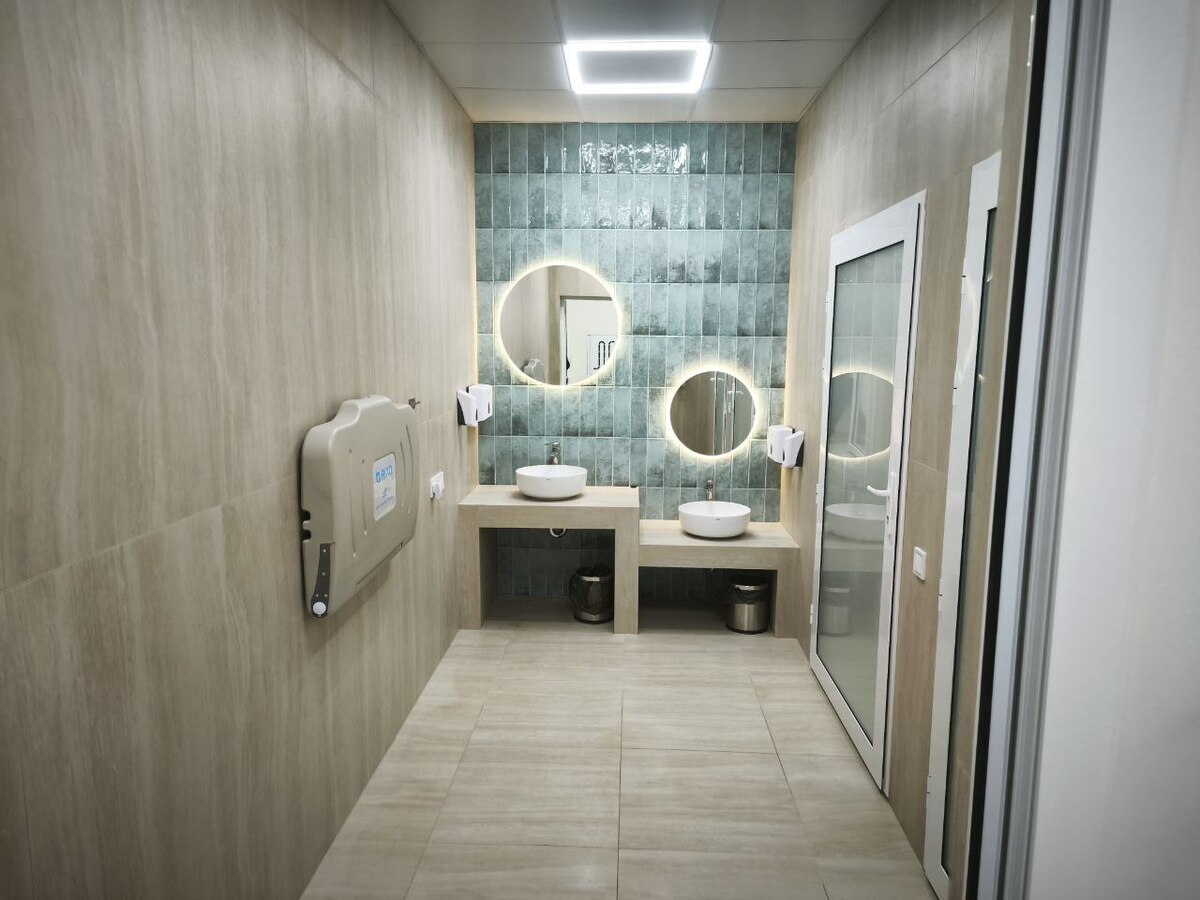
The Mental Health Centre in Dnipro is one of four such facilities renovated and equipped by Caritas Czech Republic as part of our assistance to war-affected regions in Ukraine. This project was implemented in cooperation with the All-Ukrainian Mental Health Programme ‘How Are You?’, local and regional authorities, and supported by the Ministry of Foreign Affairs of the Czech Republic.
Our activities in Ukraine
Last year, we mainly focused on the health sector. Our team helped establish a network of mental health centres. We set up four mental health centres for children and adults in Transcarpathia, Lviv, Ivano-Frankivsk and Dnipropetrovsk regions. In addition, we helped renovate premises for the Resilience Centre in Truskavets, Lviv Oblast, and created the first psychological recovery room in Uzhhorod, Transcarpathia.
We improved rehabilitation care in six hospitals near the front line in the Dnipropetrovsk region. Our team equipped the hospitals with high-tech equipment, including virtual reality, which facilitates people’s return to everyday life.
Moreover, we provided additional lessons to children who have missed out on school due to the war. In winter, we insulate houses, supply solid fuel and winter kits to families living near the front line, where infrastructure is damaged.
We also support people in Ukraine through the fundraising campaign Caritas for Ukraine. Thank you for helping with us!